Why these ingredients are often paired
Saw palmetto (Serenoa repens) and beta-sitosterol are plant-derived ingredients frequently placed in products marketed for prostate or urinary support. They are chemically different and should not be treated as interchangeable. Saw palmetto products usually contain an extract of the fruit, while beta-sitosterol is one plant sterol that may appear alone or within a wider sterol mixture. A combination label therefore raises two separate questions: what did the research test, and does the finished product contain a comparable preparation?
Lower urinary tract symptoms can include a weak stream, hesitancy, urgency, nighttime urination, or incomplete emptying. Benign prostatic hyperplasia (BPH) is one possible cause, but infection, medication effects, and other disorders can produce similar symptoms. Painful urination, fever, urinary retention, or blood in the urine warrants medical assessment.
What human studies actually measure
Saw-palmetto trials commonly use the International Prostate Symptom Score (IPSS), a questionnaire covering seven urinary symptoms, along with measures such as peak urinary flow, nighttime urination, prostate volume, or the need for additional treatment. These are different endpoints. A small change in a symptom score over several weeks does not show that the prostate became smaller, that obstruction was corrected, or that complications were prevented.
The evidence for saw palmetto is mixed. Early, small studies sometimes reported symptom improvements, but larger placebo-controlled trials using commonly available doses have often found little difference from placebo. Reviews also point to substantial variation in extraction methods, fatty-acid content, dose, follow-up, and outcome reporting. The National Center for Complementary and Integrative Health (NCCIH) summarizes the current uncertainty and does not describe saw palmetto as a reliably effective treatment for BPH symptoms. Results from one extract cannot automatically be applied to every softgel or powder.
Beta-sitosterol has been evaluated in men with urinary symptoms in controlled trials and systematic reviews. Some reports describe better symptom scores or urinary flow than placebo, particularly over short follow-up periods. Those studies generally do not establish a reduction in prostate size or proof that beta-sitosterol prevents acute retention, surgery, or long-term disease progression. Older trials may also have small samples and different sterol formulations. Evidence for a standardized research preparation should not be presented as evidence for an unspecified proprietary blend.
Reading a product label critically
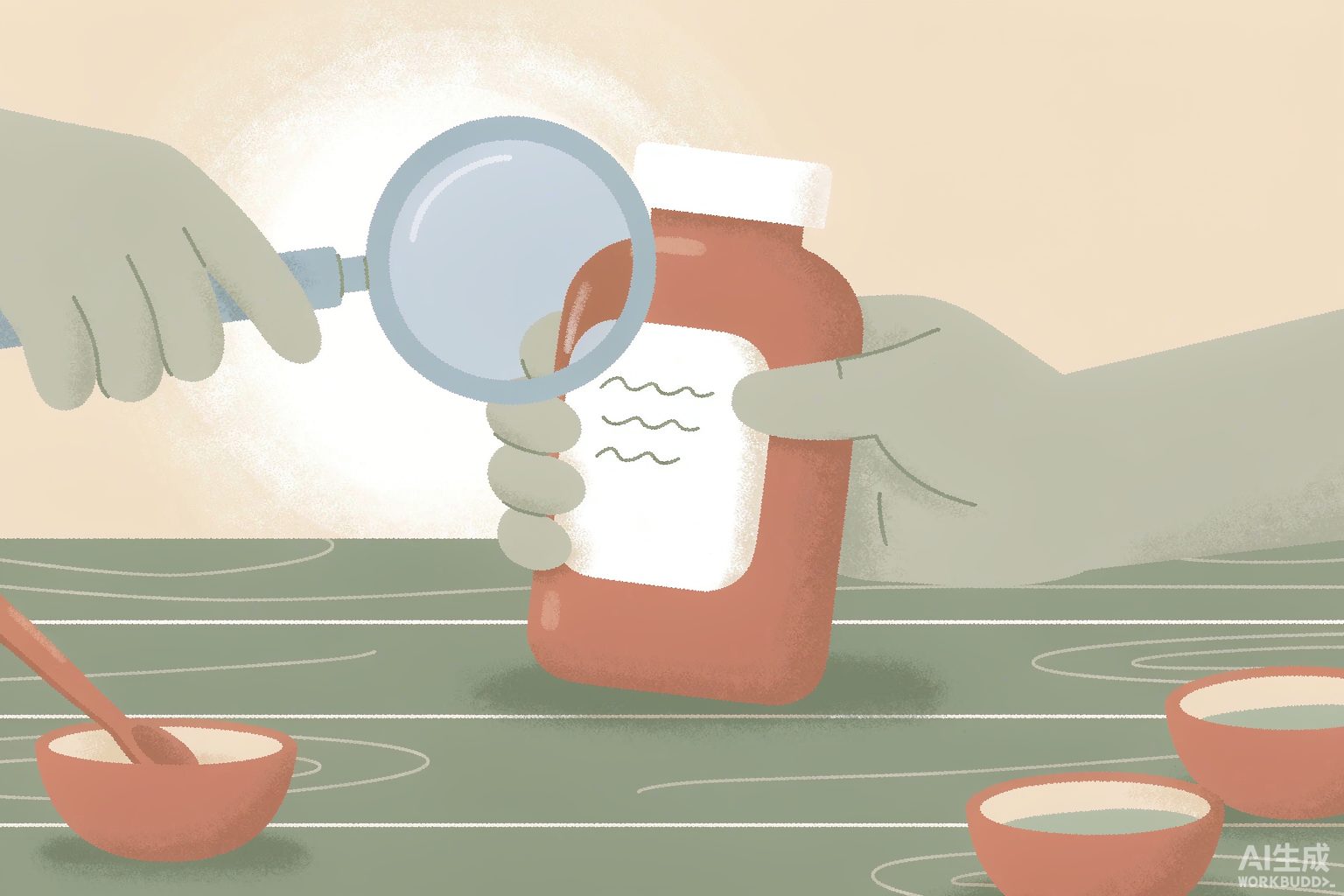
Start with the identity of the ingredient. For saw palmetto, look for the botanical name, whether the material is a fruit extract, its standardization, and the amount per serving. Some labels state a fatty-acid percentage; others provide only total extract weight. These figures are not automatically equivalent. For beta-sitosterol, check whether the quantity is beta-sitosterol itself or “total plant sterols,” which may include other compounds.
Record the serving size, daily servings, other active ingredients, lot or expiration information, and any independent quality testing. A proprietary blend that lists only a combined weight prevents comparison with a clinical study. Added minerals or herbal extracts can also change a formula’s safety and interpretation. Third-party testing may address identity or contamination, but it does not prove a symptom effect.
Safety and evidence boundaries
NCCIH describes saw palmetto’s reported adverse effects as generally mild and infrequent, including digestive symptoms, dizziness, and headache. Discuss any supplement with a qualified clinician when taking medicines; a label cannot rule out interactions. Beta-sitosterol’s long-term safety was not established in the reviewed urinary-symptom trials. Short follow-up and similar withdrawal rates do not demonstrate safety for every dose, combination, or medical condition.
Neither ingredient has a universal dose supported across all products. “Clinically studied” is meaningful only when the extract, amount, comparator, population, duration, and endpoint are identified. A marketing phrase such as “supports healthy prostate function” can encompass a much broader claim than the trial’s measured outcome. Testimonials, search snippets, and mechanistic explanations are not substitutes for randomized human evidence.
Balanced interpretation
Saw palmetto and beta-sitosterol remain reasonable subjects for evidence review, but the available findings are preparation-specific and limited. Saw palmetto results are particularly inconsistent, while beta-sitosterol findings mainly concern short-term urinary symptom measures rather than disease modification. A complete label can reveal whether a product resembles a studied preparation; it cannot establish efficacy by itself. Persistent or worsening urinary symptoms should be evaluated for an underlying cause, and medication or health conditions should be considered before adding either ingredient.
Sources and access dates
- NIH National Center for Complementary and Integrative Health, “Saw Palmetto.” Official evidence and safety overview, including the uncertainty of BPH findings: https://www.nccih.nih.gov/health/saw-palmetto (accessed October 4, 2026).
- NIH National Institute of Diabetes and Digestive and Kidney Diseases, “Enlarged Prostate (Benign Prostatic Hyperplasia).” Official description of symptoms, differential considerations, and clinical evaluation: https://www.niddk.nih.gov/health-information/urologic-diseases/prostate-problems/enlarged-prostate-benign-prostatic-hyperplasia (accessed October 4, 2026).
- PubMed Central, “Beta-sitosterols for benign prostatic hyperplasia.” Systematic review record covering randomized trials, urinary endpoints, and evidence limitations: https://pmc.ncbi.nlm.nih.gov/articles/PMC8407049/ (accessed October 4, 2026).
- PubMed, “beta-sitosterol for the treatment of benign prostatic hyperplasia: a systematic review.” Primary bibliographic record for the review of four randomized trials: https://pubmed.ncbi.nlm.nih.gov/10368239/ (accessed October 4, 2026).