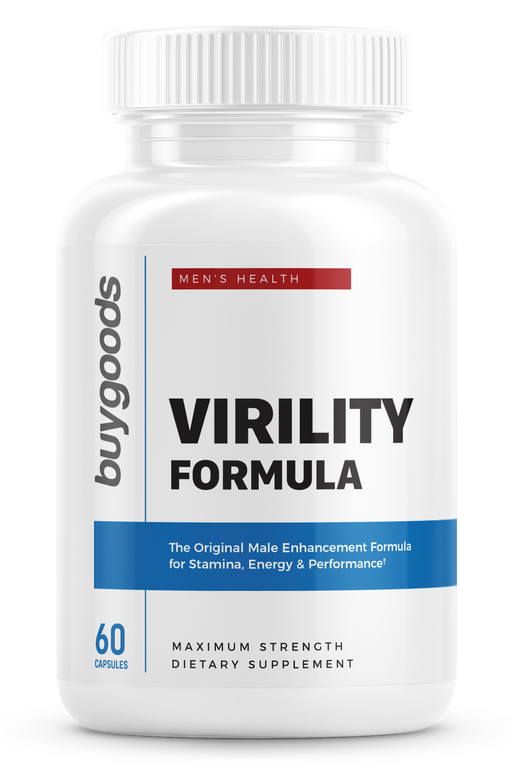
What “nitric oxide support” means
Nitric oxide is a signaling molecule made by the body. It helps regulate blood-vessel relaxation and other functions. Supplements marketed for “blood flow” often refer to ingredients that may affect nitric-oxide pathways, but a pathway explanation is not proof that a finished product improves circulation, erections, exercise capacity, or cardiovascular health. Those are distinct outcomes and require evidence in people using the specific formulation.
There is no meaningful way to name a universal “best” formula from a category label alone. Products differ in ingredients, amounts, quality controls, directions, warnings, and evidence. This guide offers a way to evaluate a label without treating supplement marketing as a clinical conclusion.
Start with the full Supplement Facts panel
Check every active ingredient, amount per serving, serving size, and daily directions. A proprietary blend that lists only a total quantity makes it difficult to determine how much of each ingredient is present or to compare the formula with research. Also note whether the label specifies the ingredient form used in a study; names that sound similar are not necessarily interchangeable.
Look for warnings, allergens, excipients, and the manufacturer or distributor’s contact information. Confirm the serving instructions and whether the package contains the number of servings implied by the advertised supply. A polished product page or a large ingredient list does not establish purity, effectiveness, or suitability for a particular person.
Match evidence to the exact claim
When a seller cites research, open the study rather than relying on a testimonial or a snippet. Ask whether it tested the same ingredient, chemical form, dose, combination, and duration as the product. Check who participated, what outcome was measured, whether there was a comparison group, and how many participants completed the study. A small trial of one ingredient cannot automatically validate a multi-ingredient formula.
The US National Center for Complementary and Integrative Health (NCCIH) warns that products promoted for erectile dysfunction may be unsafe or contaminated with undeclared drug ingredients. Its advice is relevant to evaluating sexual-enhancement marketing; it does not establish that every product in the broader nitric-oxide category is contaminated. Avoid products promising immediate or guaranteed results, claiming to replace prescription care, or concealing what is in a blend.
Safety matters as much as the pitch
“Natural” does not mean risk-free. Supplement ingredients may cause adverse effects or interact with prescription and over-the-counter medicines. People taking medication for blood pressure, heart conditions, or other chronic issues should ask a qualified healthcare professional or pharmacist before starting a product. Do not stop or change prescribed medication based on a supplement label or online claim.
Seek medical assessment for new, persistent, or worsening symptoms rather than trying to self-treat them with a circulation product. A supplement is not a substitute for identifying the cause of a symptom or receiving appropriate care. If a product causes a concerning reaction, stop using it and contact a clinician; urgent or severe symptoms warrant urgent medical services.
A practical comparison checklist
- Is the complete ingredient list and amount per serving visible?
- Can each evidence claim be traced to a human study or official source?
- Does that evidence match the product’s ingredient form, amount, population, and outcome?
- Are warnings, manufacturer details, serving directions, and contact information clear?
- Are price, shipping, refund, and recurring-billing terms visible before purchase?
- Does the copy avoid guarantees, disease-treatment claims, and pressure to discontinue medication?
If key details are missing, that is a reason to pause, not an invitation to infer that the product is effective. This article does not rank brands because no product-specific evidence or verified offer terms are assessed here.
Sources and scope
These sources provide general context, not endorsement of any product. NCCIH’s consumer page discusses sexual-enhancement supplements and safety; the FDA explains its role and the limits of supplement oversight. Neither source evaluates a particular formula discussed in this article.
- NCCIH: Erectile Dysfunction and Complementary Health Approaches — safety context for sexual-enhancement products.
- FDA: Questions and Answers on Dietary Supplements — general information about supplements and FDA oversight.
Accessed October 4, 2026.
Editorial status
This is general educational information, not diagnosis or personal medical advice. Evidence for an ingredient or biological mechanism should not be represented as proof that a finished formula produces a clinical benefit. No product-specific conclusions are made in this draft.