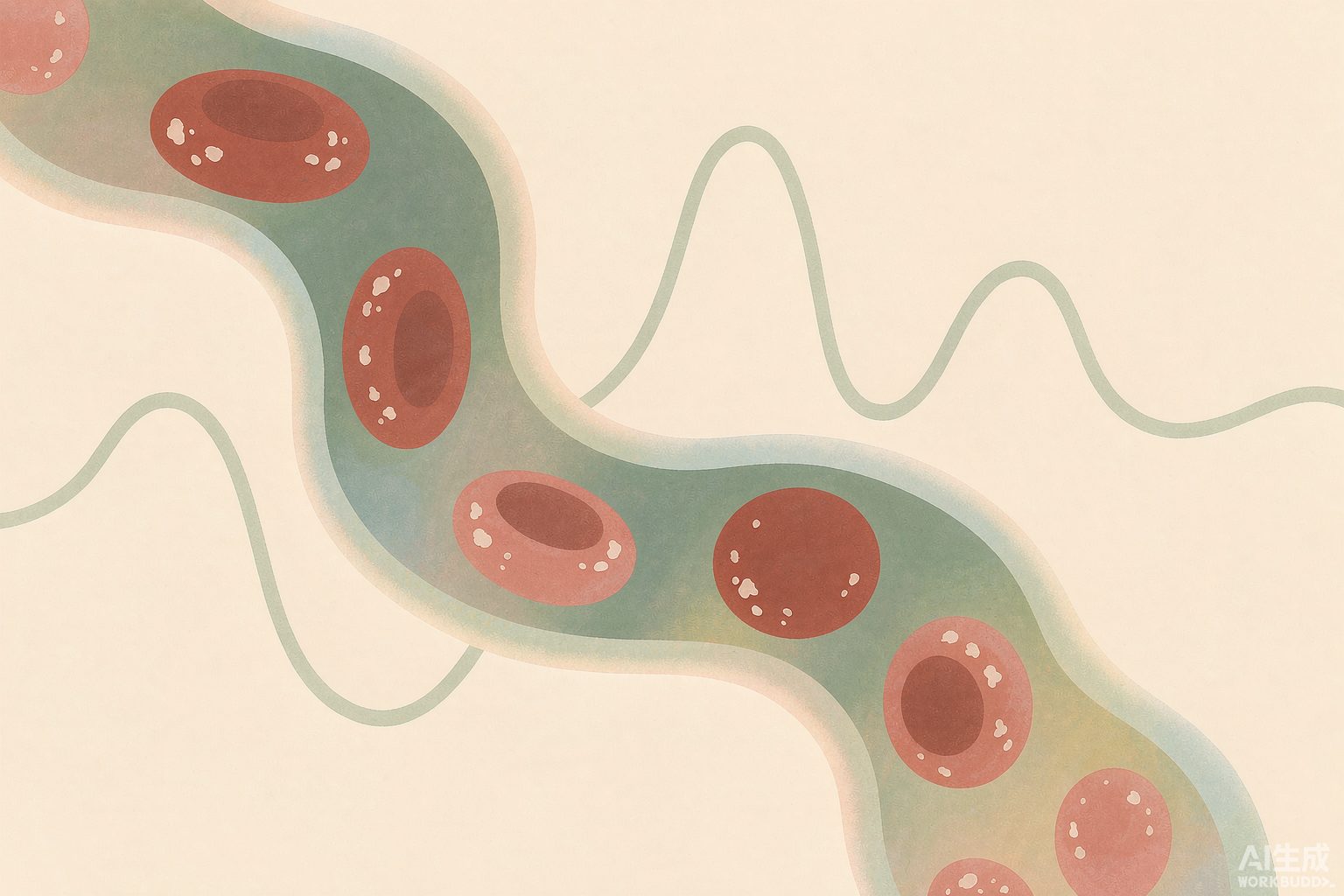
What “circulation” can mean
People use circulation to describe many different concerns: feeling cold, leg discomfort when walking, changes in sexual function, swelling, or a general wish to support heart and blood-vessel health. These experiences have different possible causes. A single food, exercise routine, or supplement cannot be assumed to address all of them, and a symptom that is new or persistent deserves individual assessment.
After 50, the most useful focus is a pattern of everyday habits and regular preventive care. The goal is not to promise a particular outcome. It is to support established cardiovascular-health behaviors while recognizing that a clinician may need to evaluate symptoms, medications, and risk factors.
Move regularly and build gradually
The US Centers for Disease Control and Prevention (CDC) recommends that adults get at least 150 minutes of moderate-intensity physical activity each week and muscle-strengthening activity on two days, with adjustments for ability and health status. Brisk walking is one possible starting point. Short, frequent walks can be more manageable than an ambitious routine, and intensity can be increased gradually when appropriate.
Anyone with a diagnosed condition, significant pain, balance limitations, or a long period of inactivity should discuss a safe starting point with a healthcare professional. Stop and seek medical advice for concerning symptoms during activity, such as chest pressure, fainting, or unusual shortness of breath. Exercise is valuable, but it is not a test to push through warning signs.
Support blood pressure, cholesterol, and glucose care
High blood pressure, abnormal cholesterol, and diabetes can affect blood vessels without obvious day-to-day symptoms. The National Heart, Lung, and Blood Institute (NHLBI) describes heart-healthy eating as emphasizing vegetables, fruits, whole grains, beans, nuts, fish, and lean or plant-based protein while limiting excess sodium, added sugars, and saturated fat. A sustainable eating pattern is more practical than a short “detox.”
Keep appointments and ask what screening or monitoring is appropriate for you. If a clinician prescribes medicine for blood pressure, cholesterol, diabetes, or another condition, take it as directed and discuss side effects rather than stopping on your own. Lifestyle measures can complement treatment, but they do not replace a prescribed plan.
Avoid tobacco and be thoughtful about alcohol
Smoking damages blood vessels and raises cardiovascular risk. The CDC provides quit-smoking resources and notes that quitting benefits health at any age. A healthcare professional, pharmacist, or quitline can help identify an approach that fits your circumstances. Avoid framing a supplement as a substitute for quitting support.
Alcohol can affect health in several ways, and “moderate” does not mean that starting to drink is beneficial. Discuss alcohol use honestly during medical visits, especially if you take medicines or have liver, heart, sleep, or blood-pressure concerns. Do not use alcohol as a circulation remedy.
Treat symptoms as information, not a shopping prompt
Leg pain or cramping brought on by walking and relieved by rest, one-sided swelling, skin color changes, numbness, or wounds that do not heal should be discussed with a clinician. Sudden severe symptoms, chest pain, difficulty breathing, fainting, or signs of stroke require urgent medical attention. Sexual-function changes can also have multiple causes and may warrant a confidential medical conversation rather than an unverified enhancement product.
Be cautious with supplements advertised to “increase circulation” or deliver immediate results. Product labels may not reveal all risks, and some products marketed for sexual enhancement have been found by regulators to contain undeclared drug ingredients. “Natural” is not a guarantee of safety, and supplements can interact with medicines. Ask a clinician or pharmacist to review a product with you, including its complete label.
A realistic weekly checklist
- Add activity in manageable sessions and work toward the CDC target when appropriate.
- Include vegetables, fruit, whole grains, beans, nuts, and other minimally processed foods regularly.
- Track the health measures your clinician recommends, such as blood pressure or glucose.
- Do not smoke; use evidence-based quit support if you do.
- Review medicines and supplements with a pharmacist or clinician.
- Record new or changing symptoms and when they occur.
These steps support general health, but no checklist diagnoses a circulation disorder or guarantees a result. Individual recommendations should reflect medical history, current medicines, mobility, and personal goals.
Sources and scope
- CDC: Physical Activity Basics for Adults — activity guidance for adults.
- NHLBI: Heart-Healthy Eating — dietary pattern information.
- CDC: Health Effects of Cigarettes — smoking and health context.
- FDA: Tainted Sexual Enhancement Products — regulator warnings about undeclared ingredients in some products.
Accessed October 4, 2026.
Editorial status
This draft is general educational information, not diagnosis or personal medical advice. It makes no product recommendation and does not claim that a lifestyle change or supplement will treat a condition.