If you’re looking into AquaSculpt, you’ve probably already read several pages that say more or less the same thing. This one collects what’s actually consistent across public reviews and complaints.
Quick answer
The complaints are more consistent than the praise — and they're mostly about how it's sold, not what's in it.
- The single most repeated complaint is refund and checkout friction, followed by the way pricing pushes you toward larger bundles.
- Reported benefits are self-reported. No supplement in this category has published trial data showing it changes body composition.
- Marketing claims run ahead of the published evidence. That's worth knowing before you read any rating, including ours.
Skip it if you want something with published clinical evidence behind it. This isn't that — and nothing else in this category is either.
Product overview
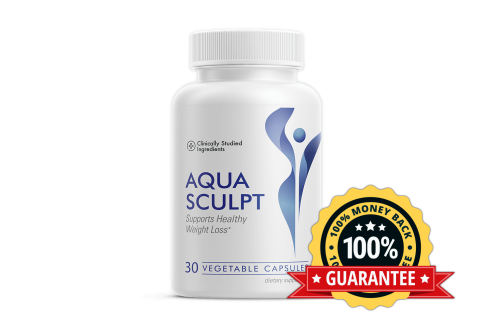
AquaSculpt
A liquid daily formula sold as a weight-management support product.
- Format
- Liquid dropper
- Sold as
- Weight-management support
- Typical use
- Daily
- Sold via
- Brand direct only
What people ask before they buy
We collected every AquaSculpt-related query Google suggests — 108 of them — and sorted each into what the person is trying to find out. The result is a rough map of what buyers worry about, and it isn’t the ingredient list.
- Reviews & complaints44 queries
- Price & where to buy15 queries
- Customer service7 queries
- Ingredients6 queries
- Refunds & returns5 queries
- Safety & side effects4 queries
- Dosage & directions4 queries
Source: the 108 unique AquaSculpt queries from Google autocomplete (US/en, 1 Oct 2026), bucketed by intent. These are keyword counts, not search volumes — they show what the questions are, not how many people ask them.
“Reviews and complaints” is more than every other category combined. Ingredients and dosage — the two things a supplement write-up usually leads with — sit near the bottom. People aren’t evaluating the formula. They want to know whether it did anything for anyone.
What users report
Summarise the recurring themes people describe after taking it — how long they took it, what they noticed, what they didn’t. Report the positive and the neutral alike, and strip out entries that read as promotional. Look for specifics (a timeframe, a routine) rather than general praise.
The honest limitation: these are self-reports, not measurements. Nobody in this category has published trial data showing a change in body composition, and self-reported results are shaped by expectation as much as by anything in the bottle. That applies to every product here, not just this one.
Where the complaints cluster
This is the more consistent part of the picture.
The dominant complaint theme across public sources isn’t about how it feels to take. It’s about the purchase — specifically the refund process and the way pricing escalates toward larger bundles.
Pull the specific complaints about the refund window: how many days, what counts as the start date, whether return shipping is reimbursed, and how the disputes were resolved. Report the counts honestly, including the ones resolved in the customer’s favour.
That distinction matters. A product can be perfectly legitimate and still generate a long list of refund complaints, because the friction sits in the checkout design rather than the ingredients. Most write-ups skip that difference entirely.
What the label discloses
The one thing you can check without trusting anybody’s review is the label itself.
Two questions decide it: does the label publish quantities at all, and does anyone outside the manufacturer verify them? A supplement can list eight impressive-sounding ingredients at amounts too small to matter and still be technically accurate. And if the label hides behind a “proprietary blend,” you can’t evaluate the formula at all.
Record the full ingredient list with quantities, then compare each against the range used in published studies on that ingredient. Only note a shortfall where the published research is clear — don’t imply a health effect either way.
Before you start taking it
Tell your clinician what you're taking
Especially if you take anything for blood pressure or blood sugar. This isn't a formality — interactions are real, and a pharmacist can check them faster than a search engine.
Read the label yourself, not a summary
Including ours. Look for whether amounts are printed, and check the serving size against what you'd actually take in a day.
Start with the smallest amount you can buy
It costs more per serving. That's the price of finding out whether you'll stick with it before committing to several months.
Keep your order confirmation
If you ever need to use the refund window, the date on that confirmation is what it's counted from.
Our assessment
Mixed
A plausible formula attached to marketing that promises more than the published evidence supports. Worth considering only if you read the label and the purchase terms first.
| Ingredient transparencyDepends on whether doses are published | 3.0 |
|---|---|
| Value for moneyOnly competitive on the multi-bottle tiers | 3.0 |
| Purchase and refund termsThe main source of complaints — read the terms first | 2.5 |
| Claim accuracyMarketing outruns the published evidence | 2.5 |
| Customer-reported resultsMixed, and the negatives are specific rather than vague | 3.5 |
What works
- Liquid format, which some people find easier to take than large capsules.
- The ingredient categories are recognisable rather than obscure.
- Multi-bottle pricing brings the per-serving cost in line with comparable products.
- Complaints tend to be about billing and refunds rather than the product arriving wrong.
What doesn't
- Refund and checkout friction is the single most repeated complaint.
- Marketing claims are stronger than the published evidence supports.
- The single-bottle price is poor value, which pushes buyers toward a large upfront order.
- Reported results are mixed, and self-reported outcomes in this category are unreliable in general.
Who might want to skip it
If you’re looking for something with published clinical evidence behind it, this isn’t that — and nothing else in this category is either. That’s not a criticism of this product specifically; it’s the state of the category.
And if you’d find refund friction particularly annoying, buy the smallest size first. The per-serving cost is worse, and that’s the trade you’re making.
Frequently asked questions
Are the reviews of AquaSculpt trustworthy?
Why are there so many refund complaints?
Does AquaSculpt actually work?
How long should I take it before deciding?
Can I take it with medication?
VitalReviewHub Editorial Team
Independent product research
We compare publicly documented ingredient lists, official pricing pages and verified customer reports. We do not accept payment for reviews and we do not publish claims a product's own manufacturer cannot substantiate.
Facts checked: . How we review
The pattern across all of it: the complaints are about how it’s sold rather than how it’s taken, and the reported benefits are the least verifiable part of the whole picture. Read the label and the purchase terms, and treat everything else as unconfirmed.